
The political atmosphere in East Asia has grown more tense as Japan and China exchanged strong statements regarding the future of Taiwan. The situation developed shortly after Japan introduced new leadership, which prompted China to voice concerns over comments made by Japanese officials. Both countries hold firm positions on the issue, and the recent exchange has drawn global attention.
Taiwan remains one of the most delicate topics in international politics. It is a vibrant and self governed island that China claims as its own territory. Japan, on the other hand, sees Taiwan as a crucial partner in maintaining stability in the region. Any conflict involving Taiwan would affect global trade routes, advanced technology production and international security. For this reason, leaders from many countries watch the reactions of Japan and China closely.
China accused Japan of interfering in its internal affairs, stating that no foreign country has the right to comment on Taiwan’s status. Japanese leaders responded by saying that peace and stability in the Taiwan Strait are essential for the entire region. They explained that protecting democratic values and ensuring freedom of navigation are responsibilities shared by all nations in the Pacific.
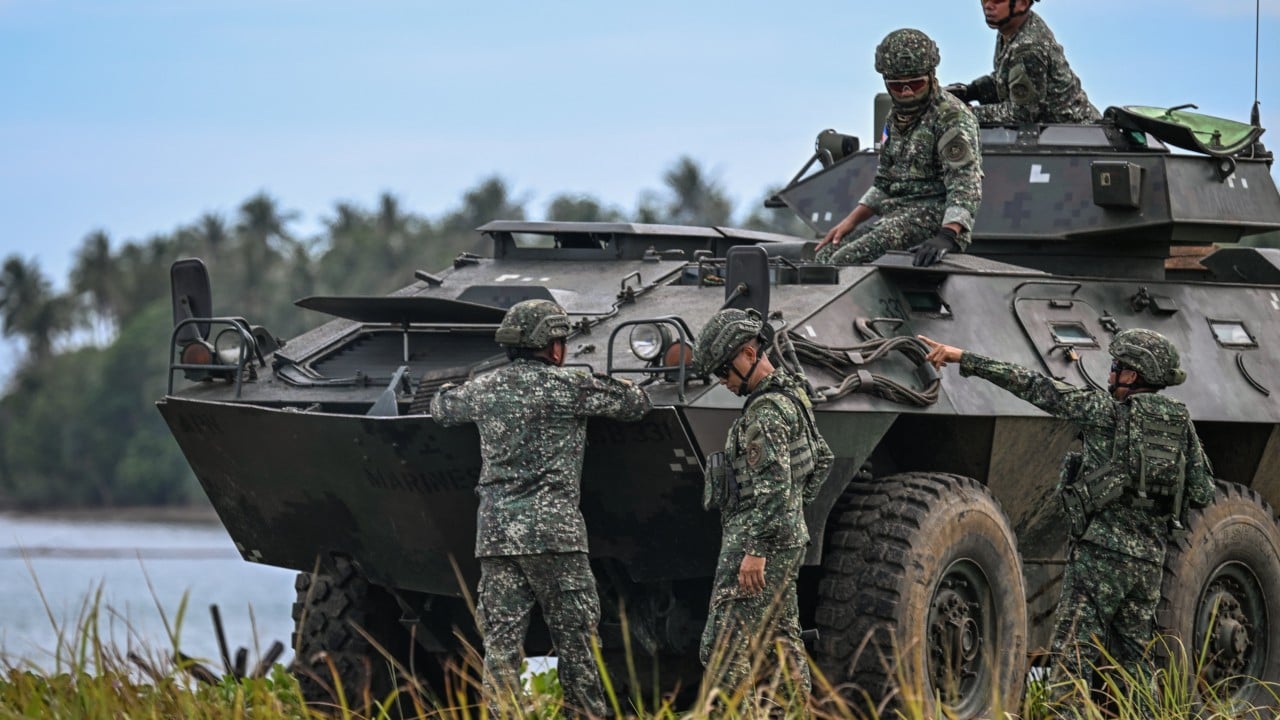
This exchange reflects a broader shift in the region. Many Asian countries are strengthening alliances and preparing for new strategic challenges. The presence of military aircraft and naval ships near Taiwan has increased during the past few years. These movements have created concerns among citizens who fear that rising tension could escalate into conflict.
Experts believe that the situation is influenced by the global struggle for influence between major powers. The United States has close ties with Japan and supports Taiwan through unofficial relationships. China, however, continues to grow militarily and economically. This creates a complex environment where every statement and action carries significant meaning.
Economists warn that any disruption in Taiwan could impact the global supply chain. The island is a world leader in producing advanced computer chips that power smartphones, cars, medical devices and artificial intelligence systems. Companies all over the world depend on stable operations in Taiwan. A conflict would not only affect the region but also create economic shockwaves across continents.
Despite the rising tension, many diplomats believe there is still room for dialogue. Both Japan and China have strong economic ties and share important trade partnerships. Maintaining stable relations benefits both sides. This gives hope that leaders may choose communication over confrontation.
People in Taiwan continue with daily life, although they are fully aware of the geopolitical pressure surrounding them. Many express hope that peace will prevail and that the international community will work together to prevent conflict. Citizens want to protect their democracy, economy and peaceful way of life.
The situation remains closely watched by governments, analysts and international organizations. East Asia plays a critical role in global security and economic growth. Any movement in the region has far reaching effects. For now, the world waits to see whether diplomacy can calm the rising tension between Japan and China.


Comments
No comments yet. Be first.
Please log in to comment.