
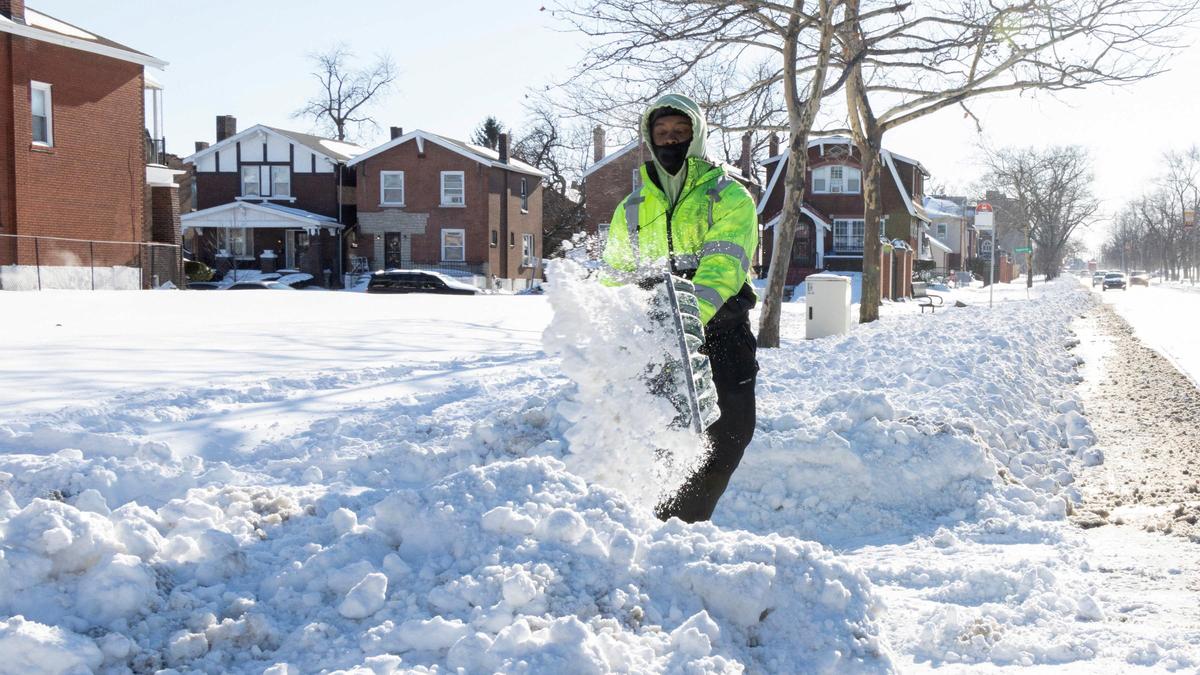
A massive winter system known as Winter Storm Fern swept across the United States in late January, delivering heavy snow, freezing rain, and dangerously cold air to millions of people. From the southern plains to the Northeast, the storm shut down transportation, knocked out electricity, and forced communities to confront the limits of their winter preparedness.
What began as a powerful Arctic air surge quickly developed into a multi-day weather crisis. As the storm moved eastward, it combined intense cold with moisture drawn from the Gulf of Mexico and the Atlantic, creating hazardous conditions over a vast portion of the country.
A Storm That Crossed Regions and Records
Winter Storm Fern stood out not just for its intensity, but for its geographic reach. Southern states experienced conditions rarely seen in those regions, while northern areas faced snowfall totals that exceeded seasonal averages.
In parts of Texas, Louisiana, Mississippi, and Alabama, freezing rain and sleet coated roads and power lines, creating dangerous travel conditions and widespread infrastructure damage. These areas, where winter storms of this scale are uncommon, struggled to keep up with rapid ice accumulation.
Further north, the Midwest and Northeast endured prolonged snowfall accompanied by strong winds. In several cities, snow fell faster than crews could remove it, leading to gridlocked streets and buried neighborhoods. Wind chills dropped well below zero, making outdoor exposure risky even for short periods.
Roads Turned Impassable as Travel Ground to a Halt
One of the most immediate effects of the storm was the collapse of ground transportation. Highways became ice-covered within hours, causing vehicles to spin out, jackknife, or become stranded altogether. State authorities urged drivers to stay off the roads, but essential travel continued to pose serious risks.
Snowplows worked continuously, yet whiteout conditions and ongoing snowfall made progress slow. In rural areas, some roads remained impassable for days, cutting off access to emergency services and supply deliveries.
Public transportation systems in major cities were also affected. Bus routes were reduced or suspended, commuter rail services experienced long delays, and subway systems ran on emergency schedules in areas where outdoor infrastructure was exposed to the elements.
Air Travel Disrupted Nationwide
Airports across the country were hit hard as snow and ice made runways unsafe and grounded aircraft. Thousands of flights were canceled or delayed, leaving passengers stranded far from home.
Major airline hubs experienced cascading disruptions as crews and planes were unable to reach their scheduled destinations. Even airports not directly impacted by severe weather felt the effects, as aircraft shortages and crew availability issues spread across airline networks.
Travelers reported spending long hours inside terminals with limited information, while airlines worked to rebook passengers amid rapidly changing conditions. The scale of cancellations made recovery slow, and normal flight operations did not resume until days after the storm had passed.
Power Failures Leave Millions Without Heat
Perhaps the most serious consequence of Winter Storm Fern was the loss of electrical power across multiple states. Ice-laden power lines snapped under the weight, while falling trees damaged substations and transmission corridors.
At the peak of the storm, more than a million homes and businesses were without electricity. For many, this meant losing heat during some of the coldest temperatures of the season.
Utility crews faced extreme challenges restoring service. Repairs had to be made in freezing temperatures, often while weather conditions were still unsafe. In some areas, power outages lasted several days, forcing residents to rely on generators, fireplaces, or temporary shelters.
Local governments opened warming centers and emergency shelters, prioritizing elderly residents, families with young children, and those with medical needs that depended on electricity.
Human Impact and Loss of Life
The storm had deadly consequences. Authorities confirmed multiple fatalities linked to the extreme weather. Some deaths were caused by exposure to cold temperatures, particularly among individuals who lost heat or became stranded outdoors. Others resulted from traffic accidents, heart attacks during snow removal, or carbon monoxide poisoning from improper generator use.
Emergency responders reported a surge in calls related to hypothermia, vehicle crashes, and medical emergencies. Hospitals in several regions operated under strain as staffing shortages combined with increased patient demand.
These losses underscored the seriousness of the storm and the dangers posed by prolonged cold, especially when combined with infrastructure failures.
Schools, Businesses, and Daily Life Interrupted
As conditions worsened, school districts across affected states announced closures. Some systems attempted remote learning, but power outages and internet disruptions made this impossible for many families.
Businesses closed temporarily due to unsafe travel conditions or lack of power. Retail activity slowed dramatically, and supply deliveries were delayed as trucks were unable to reach distribution centers.
In residential neighborhoods, daily routines were replaced by survival-focused tasks such as clearing snow, conserving heat, and checking on neighbors. Ordinary activities like grocery shopping or commuting became major challenges.
Government Response and Emergency Measures
State and federal authorities issued emergency declarations in many of the hardest-hit areas. These declarations allowed for the deployment of additional resources, including National Guard units, emergency funding, and logistical support.
Emergency crews assisted with rescues, delivered supplies, and helped clear roads. Utility companies coordinated with state agencies to prioritize critical infrastructure such as hospitals, water treatment facilities, and emergency shelters.
Local officials repeatedly urged residents to remain indoors, conserve energy, and avoid unnecessary travel until conditions improved.
Economic Consequences of the Storm
The economic impact of Winter Storm Fern was significant. Transportation delays disrupted supply chains, particularly for food, fuel, and medical supplies. Manufacturing facilities in affected regions temporarily shut down, while retail businesses saw reduced activity.
Energy demand surged as temperatures dropped, putting additional strain on power grids and increasing heating costs for consumers. Airlines and logistics companies reported substantial losses due to cancellations and delays.
Economists noted that while some of the economic activity would recover in the weeks following the storm, the immediate disruption would be reflected in short-term economic data.
Lessons from Winter Storm Fern
Winter Storm Fern highlighted vulnerabilities in infrastructure, especially in regions unaccustomed to severe winter weather. Power grids, road treatment capabilities, and emergency communication systems all faced stress under conditions they were not fully designed to handle.
Experts emphasized the importance of winter preparedness, including improved grid resilience, better ice-management strategies, and clearer public communication during rapidly evolving weather events.
For individuals, the storm served as a reminder of the value of preparation. Emergency supplies, alternative heating options, and awareness of weather warnings proved critical for safety during prolonged outages and travel disruptions.
Conclusion
Winter Storm Fern was a powerful reminder of how quickly extreme weather can disrupt modern life. Its effects were felt across vast regions of the United States, affecting transportation, energy systems, and daily routines.
While communities worked together to endure the storm and recover in its aftermath, the event left lasting impressions on emergency planners, policymakers, and residents alike. As weather patterns continue to produce more extreme events, the lessons learned from Winter Storm Fern may play an important role in shaping future preparedness and response efforts.


Comments
No comments yet. Be first.
Please log in to comment.